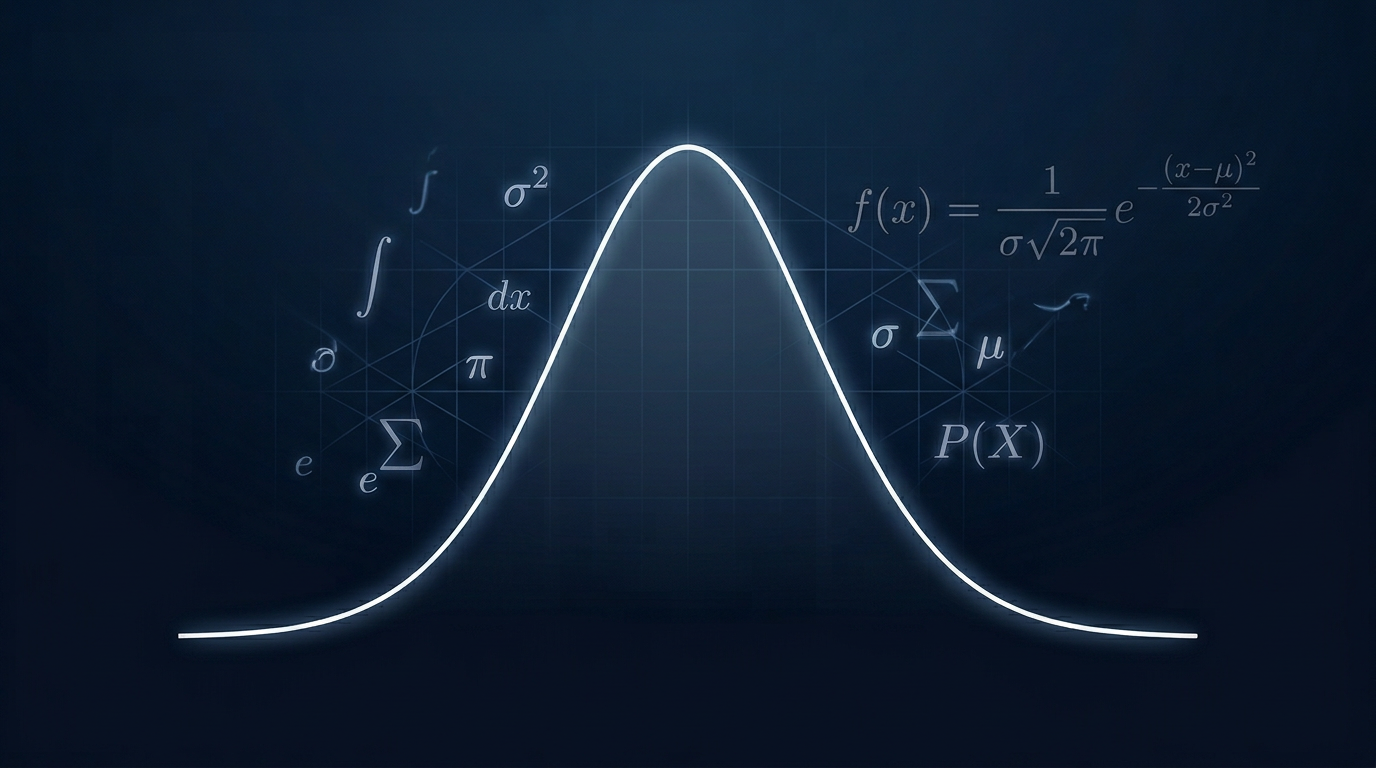
What is probability?
Probability is the mathematical measure of how likely an event is to occur, expressed as a value between 0 (impossible) and 1 (certain). A fair coin has a 0.5 (50%) probability of landing heads. A standard six-sided die has a 1/6 (approximately 16.7%) probability of landing on any given number. These are foundational concepts — and they scale directly to every game offered by UKGC-licensed operators.
The Gambler's Fallacy — the most dangerous misconception
The Gambler's Fallacy is the mistaken belief that past independent events influence future ones. If a coin lands heads ten times in a row, many people believe it is "due" to land tails. It is not. Each flip is a statistically independent event — the coin has no memory. This fallacy is responsible for more irrational gambling decisions than any other cognitive bias. UKGC-licensed operators are required to display responsible gambling information precisely because this kind of thinking leads to harm.
Expected Value (EV)
Expected Value is the average outcome you would expect from a repeated trial. It is calculated by multiplying each possible outcome by its probability and summing the results. For example: a game costs £1 to play and offers a 10% chance of winning £8. EV = (0.10 × £8) − £1 = −£0.20. This game has a negative expected value of −£0.20 per play. Over time, you would expect to lose 20p for every £1 staked. All commercial gambling games have negative EV from the player's perspective — this is how operators sustain their business while paying prizes.
Return to Player (RTP)
Return to Player (RTP) is the published percentage of total stakes that a game returns to players over a very large number of rounds. A slot with 96% RTP is expected to return £96 for every £100 staked across millions of rounds. This is a long-run statistical average, not a session guarantee. Short-term results can vary enormously from the RTP figure — this is variance. UKGC-licensed operators are required to publish RTP data for all casino games.
Variance and Risk Preference
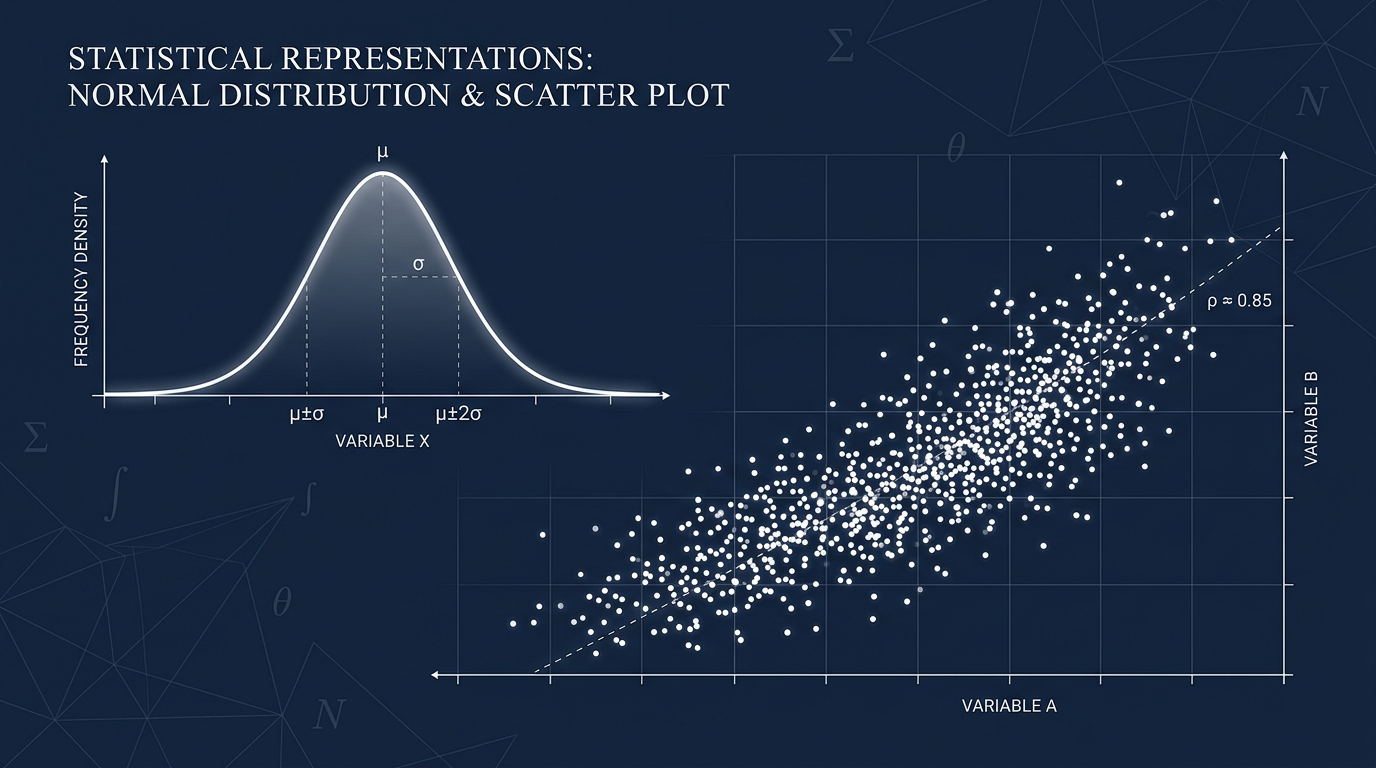
Variance describes how spread out outcomes are around the expected value. High-variance games (many slot games, jackpot products) have rare but large wins — most sessions result in losses. Low-variance games (many table games, some lottery products) produce more frequent, smaller outcomes. Understanding your own variance tolerance is a genuinely useful framework for choosing which games to explore — regardless of the expected value.
Pascal's Wager and Decision Theory
Blaise Pascal (1623–1662) formalised the study of probability alongside Pierre de Fermat. Their 1654 correspondence on dice games laid the foundations for modern probability theory. Pascal's contribution extended beyond mathematics: his "wager" argument applied probability thinking to decisions under uncertainty — a framework that remains relevant to decision theory today. Exclusive Chance Zone takes its intellectual lineage from this tradition: understanding chance as a tool for clearer thinking, not as a system to beat.


